


-

Add: HeBei ShengShi HongBang Cellulose Technology CO.,LTD.
-

Email
13180486930@163.com -

CONTACT US
+86 13180486930
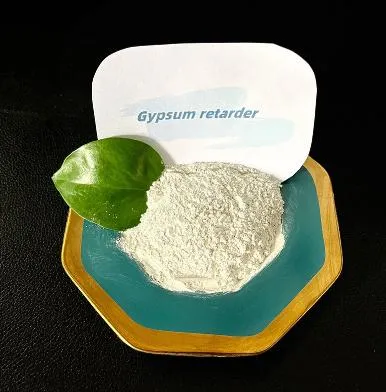

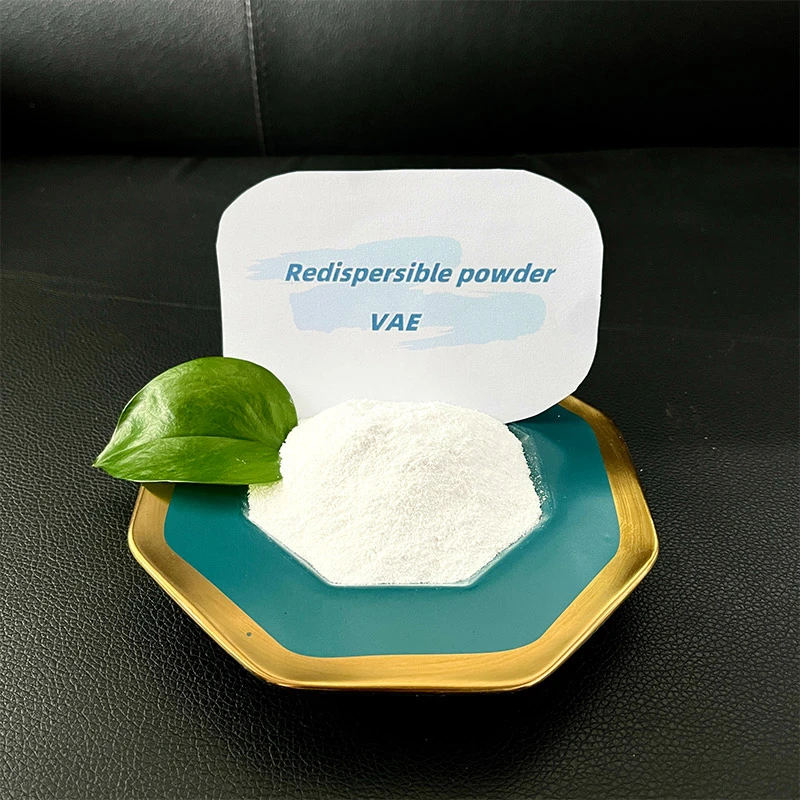

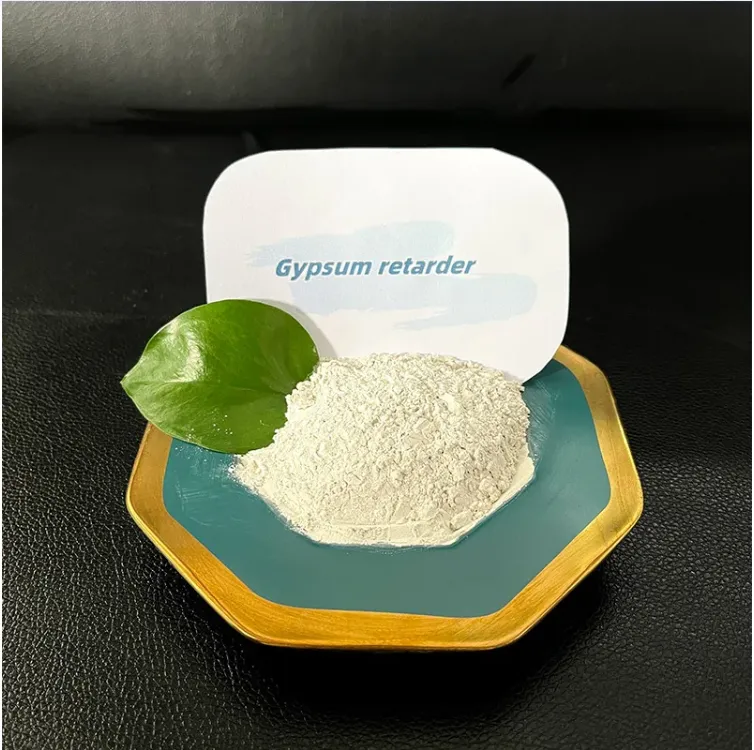
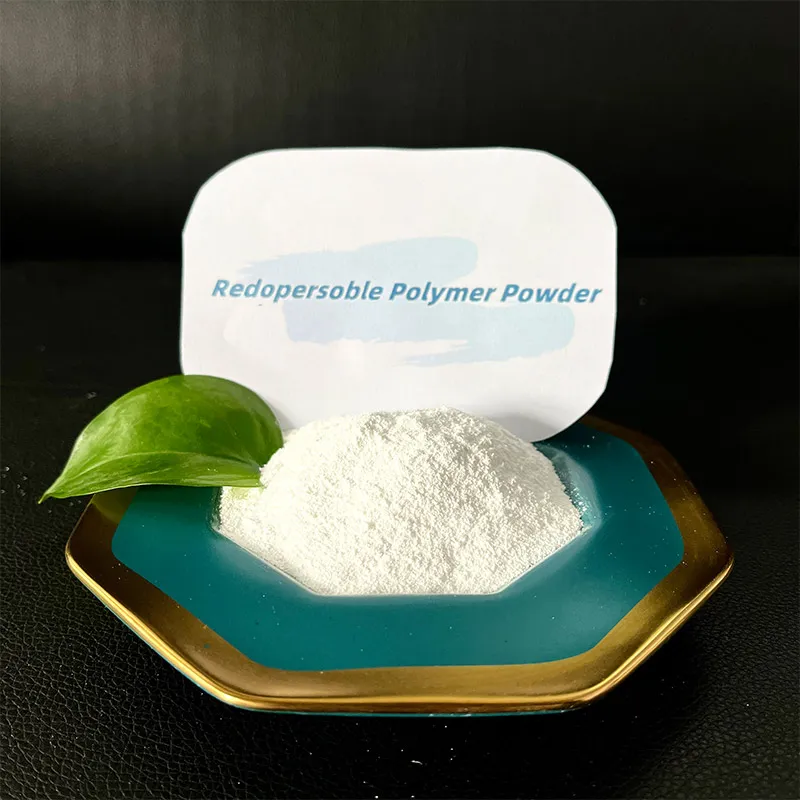


What I’m Seeing in Hydroxypropyl Methyl Cellulose Right Now If you work in dry-mix mortars, pharma tablets, or even detergent pods, you’ve probably bumped into Hydroxypropyl Methyl Cellulose HPMC more than once. It’s a non-ionic cellulose ether—yes, derived from natural cellulose—and it keeps getting more attention as the “quiet” performance enhancer in countless formulations. Honestly, adoption is accelerating across construction chemicals and high-viscosity personal care because of supply stability and cost-to-value. Many customers say the workability gains are immediate; I tend to agree. Origin and who’s behind it From HeBei ShengShi HongBang Cellulose Technology CO., LTD (Room 1904, Building B, Wanda Office Building, JiaoYu Road, Xinji City, Hebei Province). I’ve toured similar facilities; the process is rigorous and surprisingly clean. Their pitch is consistent rheology, tight particle size control, and fast redispersion in cement-alkali environments. How it’s made (short version, no fluff) Materials: refined cotton, NaOH (alkalization), methyl chloride (MC), propylene oxide (PO), purified water. Method flow: alkalization → etherification (MC+PO) → neutralization → washing to remove salts → drying → milling → sieving → packaging. QA/testing: viscosity (Brookfield, 2% w/w, 20°C), methoxyl/hydroxypropyl content, moisture, pH, ash, sieve residue, gel temperature. Service life: ≈24 months in dry, sealed bags; avoid >30°C and humidity. Real-world use may vary. Industries: tile adhesive, EIFS/ETICS, gypsum putty, self-leveling; tablets (binder), ophthalmics, toothpaste; shampoos, detergents, coatings. Product specifications (typical) Parameter Spec (≈) Viscosity (2% w/w, 20°C) 400–200,000 mPa·s (multiple grades) Methoxyl (DS) 19–24% Hydroxypropyl (MS) 4–12% Moisture ≤5% pH (1% sol.) 6.0–8.5 Gel temperature 60–75°C Sieve residue (100 mesh) ≤1% Bulk density 0.30–0.50 g/cm³ Note: measured by Brookfield LV, spindle/time per internal SOP; actual plant results vary with salts and mixing energy. Why formulators pick it Water retention and open time in cement systems (EN 12004 tile standards). Anti-sag, better trowelability; smoother edges on putties. Tablet binding/film formation meeting USP/Ph. Eur. monographs. Electrolyte tolerance; stable viscosity in laundry detergents—surprisingly robust. Vendor snapshot (what buyers compare) Vendor Certs Strength Viscosity Range MOQ HeBei ShengShi HongBang ISO 9001; REACH prereg. Construction focus; cost-value 400–200,000 ≈1 MT Dow (METHOCEL) ISO, GMP sites Global supply, pharma grades Low to ultra-high Varies Ashland (Benecel) ISO, EXCiPACT Tablets, coatings uniformity Wide Varies Applications and quick data Tile adhesive: +0.2–0.35% Hydroxypropyl Methyl Cellulose HPMC → open time +10–15 min; slip ≤0.5 mm (EN 12004). Self-leveling: 0.05–0.1% improves edge cohesion; flow per ASTM C1437: 115–130% with stable ring. Gypsum putty: 0.2–0.3% → sag drop by ≈30%, smoother knife feel (shop-floor feedback). Tablets: 2–5% binder; disintegration tuned via viscosity grade (USP-NF compliant grades available). Customization and QC For Hydroxypropyl Methyl Cellulose HPMC , you can specify viscosity windows, substitution ratios, surface treatment for fast wetting, and targeted gel temp. Batch COAs usually list Brookfield data, moisture, mesh residue, and heavy metals when applicable. Incoming QC on your side? I’d validate viscosity at your ionic strength, not just DI water. Mini case studies Eastern EU tile factory: switched to 60,000 mPa·s grade; open time +12 min; consumer complaints on “grab” fell 40% in 2 months. Generic IR tablet line: replaced PVP with Hydroxypropyl Methyl Cellulose HPMC binder at 3%; friability down from 0.9% to 0.3% while keeping disintegration at 9–12 min. Standards and compliance Typical references: EN 12004 (tile adhesives), ASTM C1437 (flow), ISO 9001 for QMS, USP/Ph. Eur. Hypromellose monographs, plus REACH where required. To be honest, don’t skip pilot mixes; salts and fillers can nudge viscosity more than you expect. Citations ASTM C1437 – Standard Test Method for Flow of Hydraulic Cement Mortar. EN 12004 – Adhesives for tiles: Requirements, evaluation of conformity. USP–NF Monograph: Hypromellose (Hydroxypropyl Methylcellulose). ISO 9001:2015 – Quality Management Systems Requirements.
- 40000tons

Production
- 20+years

Experience
- 5000+㎡

Acreage

-
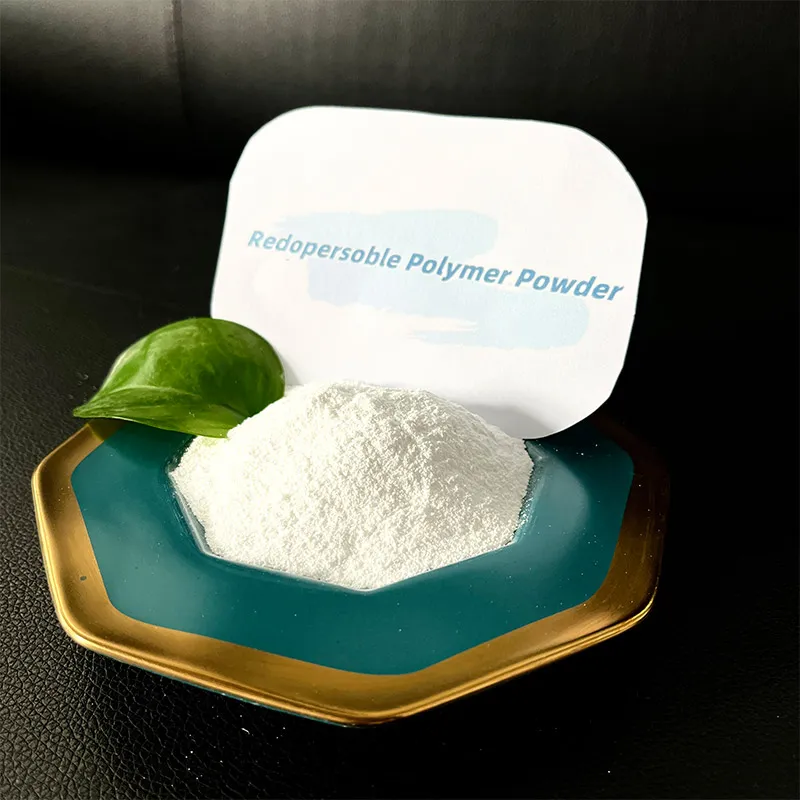
Rubber powder coating has quietly risen to prominence in the coating industry, capturing the interest of manufacturers and DIY enthusiasts alike. Its increasing popularity stems from its remarkable ability to provide a durable, protective layer with a unique set of properties that traditional coatings fail to offer. This article delves into the technicalities, benefits, and applications of rubber powder coating, shedding light on why it’s becoming a go-to choice in diverse sectors. Rubber powder coating combines the resilient and flexible properties of rubber with the robustness of a powder coat . Unlike liquid coatings which rely on solvents and VOCs (volatile organic compounds), rubber powder coatings are applied in a dry powder form and cured under heat or with ultraviolet light, allowing for a safer and more environmentally friendly process. This method not only reduces harmful emissions but also minimizes waste, which is an attractive advantage in today’s environmentally conscious market. From an expert's perspective, one of the standout features of rubber powder coating is its elasticity. This means that the coating is capable of expanding and contracting without cracking, making it particularly beneficial in environments subject to extreme temperature variations or mechanical stresses. The elastic nature ensures a continuous and protective barrier even when the substrate underneath is in constant motion. In terms of applications, rubber powder coating is incredibly versatile. It finds use in automotive and marine industries where its resistance to abrasion and corrosion is highly valued. The coating effectively protects metal surfaces from rust and pitting, extending the lifespan of components like vehicle underbodies and marine hardware. Moreover, the construction industry utilizes rubber powder coatings for tools and equipment that face wear and tear, leveraging its anti-slip properties to enhance safety. The application process of rubber powder coating further contributes to its growing popularity. It can be applied at varying thicknesses to suit different performance needs without compromising on quality. Lower thicknesses are optimal for projects requiring finesse, while higher builds offer superior protection for heavy-duty applications. This flexibility allows businesses to tailor their approach based on specific requirements, optimizing both performance and cost-efficiency. rubber powder coating Adding to its list of advantages, rubber powder coatings are available in a multitude of colors and finishes, which widens its appeal for aesthetic applications. From homeware to consumer electronics, its potential to offer both protection and style makes it a preferred choice among manufacturers looking to innovate product design without sacrificing quality. In reinforcing trustworthiness, manufacturers and applicators of rubber powder coatings emphasize rigorous quality control standards and thorough testing to ensure each batch meets stringent performance criteria. Customers are assured of receiving reliable and consistent products that meet or exceed industry standards. Furthermore, adherence to environmental regulations and sustainable practices in production processes bolsters the credibility and authority of companies in this market. Finally, the ease of maintenance associated with rubber powder coatings cannot be overlooked. Its seamless finish makes it resistant to dirt and contaminants, and should cleaning be necessary, the surface can be easily wiped down with minimal risk of damage. This attribute is particularly appealing in high-traffic areas or environments where hygiene is paramount. In essence, rubber powder coating represents a fusion of innovation and practicality. Its amalgamation of elasticity, environmental compatibility, and customization potential positions it as the future of protective coatings. By integrating these features, industries stand to not only enhance product longevity and performance but also align with the growing trend towards sustainable solutions. As the market evolves, the role of rubber powder coating will undoubtedly expand, paving the way for further innovations that meet the demands of tomorrow’s challenges.
-

Hydroxypropyl methylcellulose (HPMC) is a multi-functional polymer that garners extensive attention across various industries due to its impressive solubility characteristics in water and a wide array of applications. As an industry veteran with years of firsthand experience, I have witnessed how the solubility of HPMC in water significantly enhances product performance, making it a go-to choice for formulators. To understand HPMC's solubility in water, it is crucial to first delve into its chemical structure. HPMC is a non-ionic cellulose ether derived from alkali cellulose through a reaction with methyl chloride and propylene oxide. This distinctive structure is pivotal to its solubility. When HPMC is dispersed in cold water, it hydrates and swells rapidly, forming clear solutions or gels depending on the temperature and concentration. Its solubility in cold water renders it highly versatile, allowing it to be utilized in various dosages and applications. One factor that influences HPMC’s solubility is the degree of substitution (DS) and the molar substitution (MS). A higher degree of substitution results in more hydrophobic methoxy and hydroxypropyl groups on the cellulose backbone, enhancing its water solubility. Industrial applications leverage this property by selecting HPMC grades with optimal DS and MS to tailor performance for specific requirements. For instance, in the pharmaceutical domain, this characteristic is essential for controlled drug delivery systems, where HPMC acts as a rate-controlling agent. Temperature plays a significant role in the solubility dynamics of HPMC. Known for its reversible thermal gelation properties, HPMC will dissolve in cold water but can precipitate out of solution when exposed to rising temperatures, exhibiting gel formation. This unique property is expertly harnessed in construction applications, where HPMC is utilized to improve the water retention and workability of cement-based materials. Mastery of this thermoreversible behavior allows product developers to fine-tune formulations for enhanced efficiency and performance reliability. hpmc solubility in water My professional involvement with HPMC spans a broad spectrum of industries. In personal care products, its water solubility is an asset in formulating non-sticky lotions and creams that offer consistent viscosity over a range of temperatures. In the food industry, as a thickener or stabilizer, HPMC promises uniformity and stability, maintaining product integrity under varying storage conditions. The transparency and viscosity of HPMC solutions make them ideal for eye drops and other ophthalmic preparations, where clarity and uniform distribution of active ingredients are paramount. Despite its advantages, HPMC’s solubility in water poses challenges . For instance, incorrect dispersion can lead to clumping, which compromises the efficiency and clarity of solutions. Through my experience, I recommend the gradual addition of HPMC to the vortex of a well-stirred cold water solution to prevent lump formation. This method ensures even hydration and dissolution, maximizing the functional benefits of HPMC for the intended application. Regulatory compliance and product consistency are of utmost importance in any formulation involving HPMC. Adherence to standards set by bodies such as the U.S. Pharmacopeia (USP) fortifies the trustworthiness of HPMC-based products, providing assurance that they meet safety and efficacy benchmarks essential for consumer confidence. In conclusion, the solubility of HPMC in water is a defining feature that enhances its application potential across industries. By leveraging its unique properties, formulators can innovate and produce high-performance products with the reliability and efficacy that modern consumers demand. By sharing my expertise and insights, I aim to empower industry professionals to make informed decisions that capitalize on HPMC’s immense capabilities.
advantages
-

200000 Viscosities
Excellent product
We can produce pure products up to 200,000 viscosities
-

40000 tons
High yield
We don’t stop production all year round, and the annual output can reach 40,000 tons
-

24 hours
Quality service
We provide 24-hours online reception service, welcome to consult at any time
———— Inquiry Form
Schedule A services

-
 isolasi_selulosa_kayu
Oct . 25, 2025
Hydroxypropyl methylcellulose (HPMC) , a versatile polymer traditionally used in pharmaceuticals and -
 hydroxypropyl_methylcellulose_pharmaceutical_use
Oct . 25, 2025
Hydroxypropyl methylcellulose (HPMC) E50 is a versatile and highly valued polymer in various industr -
 hpmc_dextran
Oct . 25, 2025
Acid-modified starch, an innovative alteration of native starch, has garnered attention for its uniq


